
How to Evaluate the Golisimo Casino Game Library Before You Play for Real Money
See also:
- How Does the golisimo casino Games Lobby Shape Up at a Glance?
- Reading the Lobby: How to Judge What Golisimo Casino Actually Offers
- Software Providers and RTP: The Two Numbers That Matter More Than Title Counts
- Slots, Table Games and Live Dealer: What Each Category Should Deliver
- Common Questions About Evaluating Casino Game Libraries
- Play With Limits: Staying in Control on Any Casino Site
How Does the golisimo casino Games Lobby Shape Up at a Glance?
Provider diversity dictates the quality of available content. Assessing how many studios contribute to a catalogue reveals whether an operator relies on a few suppliers or broad industry relationships.
Zodiac Casino Bonus: Wagering Requirements and Game Contribution
| Brand | Details |
|---|---|
| golisimo casino | Slots count 100% towards wagering; table games and live casino count 10%. |
The catalogue at Golisimo casino matters most once a bonus is active, because slots count in full towards the 35x wagering requirement while table games and live casino titles count at only 10%. A £200 bonus therefore clears far faster on a slot than on roulette or blackjack. If you play mainly table games, treat the bonus as a small extra rather than the reason to join.
A wider range of contributors typically means more frequent updates. This metric helps predict if new releases will arrive promptly, keeping the gaming experience fresh and responsive to market trends.
bally bet casino login: Identity checks that can affect your access
Reading the Lobby: How to Judge What Golisimo Casino Actually Offers
Counting categories tells you more than counting titles
A long catalogue is easy to manufacture. One slot can appear under several themes, a sequel can differ from its predecessor by little more than a skin, and a lobby can scroll for a very long time without offering a genuinely different experience. The practical question is not how many entries the Golisimo casino lobby contains but how much variety sits behind the number. The most reliable signal is the set of distinct categories visible before you scroll: video slots, table games such as blackjack and roulette, live dealer tables, and any instant-win, bingo or crash sections the site chooses to present. A lobby organised around those groups, rather than around one endless slot wall, tends to reflect a broader library. Filters and sort controls reveal the same structure quickly. If you can narrow by game type, provider or volatility, the catalogue has meaningful depth; if the only refinement on offer is a search box, the breadth is harder to trust.
Pots of Luck Casino: Creating an Account and Getting Verified
What the game tiles put in front of you
Each tile carries information, and reading it on a phone means noticing what fits on a small screen before you tap through. A provider name, game type and a link to rules or a paytable usually appear on the tile or one tap away. Where a title states its top prize but not its stated return, the tile is advertising rather than informing. Checking this matters because so many live titles share the visual language of slots: similar symbols, similar reels, similar rhythm. The mechanism underneath is what decides whether you are playing a game of chance with a disclosed return or a variant you have not actually seen described. Treat a distinctive name as a claim to test, not proof of difference. Opening the rules panel is the cheapest way to confirm that a title is the one its tile suggests.
Navigating by what you actually intend to play
A lobby is easiest to judge by using it for a specific purpose. Search for a table game, filter by provider, open a live dealer room and check whether the interface adapts sensibly to your screen: readable buttons, a visible stake display and rules you can reach without leaving the table. On a phone, thumb reach and screen real estate change the calculation; a lobby that works well on a desktop can feel cluttered on a handset, and the reverse is also possible. The catalogue’s real structure shows up in these small tests. When you can move from browsing to a rules panel and back without losing your place, the navigation is doing its job. When every route leads back to a promoted slot, the breadth is presentation rather than substance.
Software Providers and RTP: The Two Numbers That Matter More Than Title Counts
Headline counts hide the two facts that decide how a game behaves
A lobby can show hundreds of tiles and still tell you almost nothing about how those games are built or what they return over time. The list is a shop window; the engine is inside. Two pieces of information do more work than any title total, provided you read them for what they actually say.
What a provider name does and does not tell you
The studio behind a game tells you who designed the maths, the volatility and the presentation. A familiar name gets you started; it does not certify anything. Established developers publish game sheets and specification pages, so the name gives you somewhere to look. It also groups games by house style: one studio may favour high-volatility slots, another may concentrate on table formats or live-dealer tables. If you know which style suits you, provider names help you filter quickly.
Be careful with inference. A famous studio’s logo on a tile does not confirm that the version in front of you matches the original release, that its payout values are unchanged, or that it is available in your market. Nor does an unfamiliar name mean poor quality. Read the name as an invitation to open the game’s information panel, not as a verdict.
Where RTP lives and how to read it honestly
Return to Player is a long-run average: the share of all stakes that a game is designed to return across a very large number of plays. It describes the game’s design, not your session. A game with a higher published figure still produces losing runs, and no figure predicts a single spin. Two practical consequences follow.
Where a game publishes an RTP, it is usually explained in the paytable or rules screen inside the game, and sometimes in the game sheet on the provider’s own site. Open that panel before you play with real money. Compare it with the same title listed elsewhere if you like, because operators can host different versions of a game with different configured values. That is a legitimate check, and it is also the reason a headline number pasted onto a lobby tile deserves scepticism.
If RTP is not published, class it as unknown instead of assuming a generous or a poor figure. You can still judge a game by its rules, its volatility description and your own limits. Leave the arithmetic out of it.
A short way to hold both numbers together:
- Provider: who built it and where to find the specification.
- RTP: what the game is designed to return over the long run, if published.
- Neither: a prediction of your next session.
Use them to sort games worth opening. Then judge with your own budget, not the tile count.
Slots, Table Games and Live Dealer: What Each Category Should Deliver
Slots: Volume, Volatility and What the Paytable Tells You
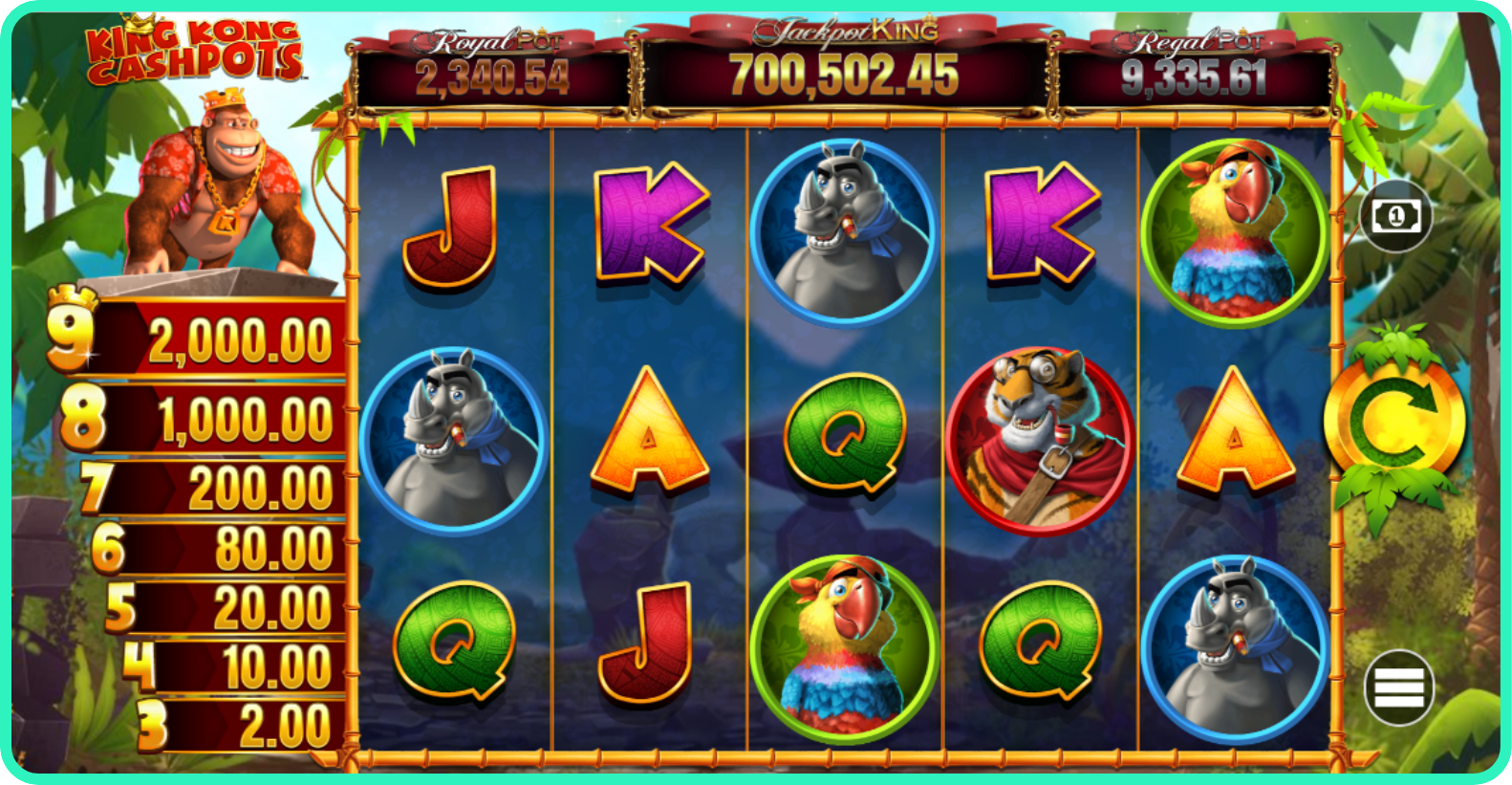
A large slots catalogue tells you the site has licensed a lot of games. It does not tell you that any of them suit your budget or patience. Judge slots by how a machine behaves rather than by how many there are. Real-money online casino games differ most on volatility, the spread of outcomes: low-volatility games return frequent but smaller wins, high-volatility games pay rarely and sometimes heavily. Two games can share identical theoretical return-to-player figures and still feel entirely different over a single session. Read the in-game information panel, which usually states the published RTP, the number of paylines or ways to win, and the top prize. Volatility may be stated, or you may infer it from the paytable spread. The practical test is your own tolerance: if a long run of losses would ruin a session you have set aside, a gentler profile suits you better than a headline jackpot.
Table Games: Rules, House Edge and Variants
The quality question for table games is not whether blackjack and roulette exist, but which rule variants sit behind them. Blackjack games differ on whether the dealer stands or hits on a soft seventeen, whether doubling is allowed after splitting, and how many decks are used. Each rule shifts the house edge, so a table with player-friendly rules is worth more than several tables carrying poorer ones. Roulette is the same story: single-zero and double-zero wheels carry different odds against you, and a game labelled European or French is not necessarily identical to another with the same name. Open the rules panel before you sit down. Confirm the wheel type, the bet limits, and what happens to your bet on zero. A blackjack table that lets you split repeatedly and double after splitting gives you more ways to play well than one that forbids both, regardless of the graphics.
Live Dealer: Pace, Tables and the Human Element
Live casino games are streamed from a studio, with a real dealer running a physical wheel or shoe. What matters is the table’s stake range, the betting interface and how quickly decisions resolve. Check whether a table suits your bankroll before you join, because live tables often have higher minimums than their simulated counterparts. Look at how the interface presents the betting option and whether a replay or bet history is available. Streaming quality matters less than clarity: you need to follow the action, not admire the camera. A live table with a sensible stake range and transparent rules serves you better than the most glamorous studio you cannot afford to sit at.
Whatever the category, apply the same test. Watch one round or one spin before committing money. Read the rules. Decide whether the game’s shape matches how you want to play, then set a limit you can lose without regret.
Swift Casino No Deposit Bonus: Codes, Opt-Ins and the Order of Steps
Common Questions About Evaluating Casino Game Libraries
What should the reader do if a game’s listed RTP differs between the casino lobby and the provider’s own help screen?
Treat the provider’s in-game paytable or rules screen as the more detailed record, since a lobby summary may be rounded or out of date. Note both figures, then decide whether the gap changes your choice; if it does, choose a different title rather than asking support to reconcile the numbers.
Which verifiable signs, such as testing certificates or provider reputations, can the reader use when a casino claims its games are fair but offers no numbers?
Look for named testing laboratories and the specific game versions they cover, not a general trust badge. A certificate confirms that a named product was examined at a point in time; it does not guarantee every title in the lobby, so a provider list and version details still matter more than slogan wording.
Does a game that is unavailable in the reader’s region or fails to load indicate a problem with the Golisimo casino account?
Usually not. Regional availability and loading errors are separate from account status: the title may be restricted for your market or the session may simply have dropped. Check whether other games in the same category open, and treat only a pattern across the whole lobby as something worth reporting.
Play With Limits: Staying in Control on Any Casino Site
Self-exclusion is the strongest control available, and it is worth knowing how it works even if you never expect to need it. GAMSTOP registers you for a period during which licensed sites must block your access. That is a deliberate, serious step. If you are considering it, the fact that you are considering it is worth acting on.
In Britain, gambling is for those aged 18 or over, regulated by the Gambling Commission. GamCare and BeGambleAware run the National Gambling Helpline on 0808 8020 133. Understanding the tools before you need them is part of playing with limits.